


OPPO Just Announced ColorOS 17 — And It’s a Bigger Deal Than It Looks
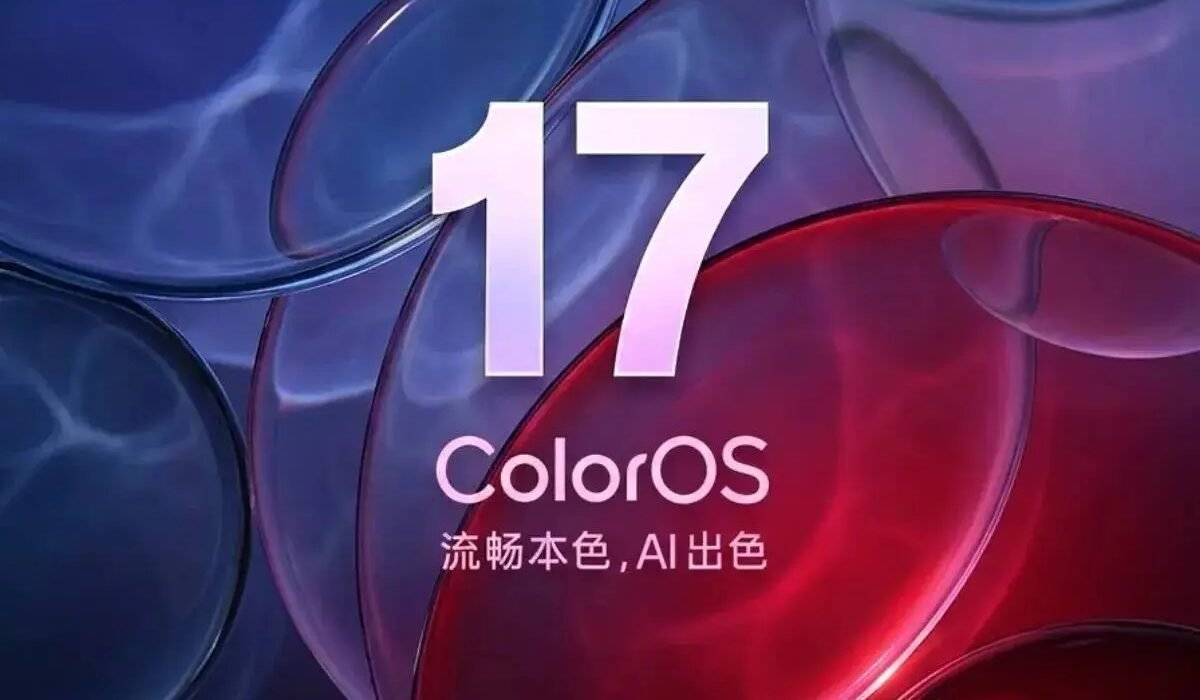
OPPO took the stage in Zhuhai yesterday, September 17, for its annual Developer Conference, and ColorOS 17 finally has a face. If you only skim the headlines, it might look like a routine yearly refresh — new animations, a faster engine, some AI buzzwords. Dig a little deeper, though, and there’s a much bigger story buried in the announcement: OPPO is quietly merging three separate Android skins into one.
Let’s get into what actually changed, what’s marketing gloss, and when you can expect it on your phone.
So what is ColorOS 17, really?
For anyone new to the OPPO ecosystem, ColorOS is the custom shell OPPO runs on top of stock Android — similar in spirit to Samsung’s One UI or Xiaomi’s HyperOS. ColorOS 17 sits on top of Android 17 and made its debut alongside the new Find X10 lineup. And notably, OPPO skipped the “Liquid Glass” visual trend that’s been sweeping through iOS 26 and a bunch of copycat Android skins this year. Instead, the company doubled down on something less flashy but arguably more useful: speed and consistency.
The features that actually matter
A more consistent interface. OPPO’s pitch here is that every native app — Gallery, Clock, Phone, whatever — should feel and animate the same way. They’re calling the underlying tech the Aurora Engine (rendering) paired with Fluid Animation (transitions). There’s also a floating navigation bar now baked in across system apps, which is a small change but one you’ll notice within the first five minutes of using the phone.
Performance numbers that sound almost too good. OPPO is claiming roughly 35% better system fluidity, 20% faster app launches, and the ability to keep up to 50% more apps running in the background. There’s also a new “Polar Light Engine” said to cut app startup time and memory use by about 25%. Worth saying out loud: these are OPPO’s own numbers from internal testing, not independently verified benchmarks. Take them as a directional promise until reviewers get retail units in hand and run their own tests.
AI leaning into anti-fraud, not just chatbots. This is where ColorOS 17 diverges a bit from the usual “AI assistant does your homework” pitch. OPPO built in AI Cross-App Anti-Fraud (watching for suspicious behavior patterns across apps), AI Face-Swapping Detection (aimed at deepfake scam calls, which are a genuinely growing problem), and AI Call Anti-Fraud. Whether these work as advertised in the real world is an open question, but the focus itself is a reasonable read on where scams are actually heading in 2026.
Accessibility got real attention. The update adds AI-driven voice description for on-screen text, buttons, and images — helpful for things like hailing a ride or navigating an app you’ve never used before if you’re visually impaired. There’s also voice guidance for framing photos. It’s not the headline feature anyone will talk about, but it’s the kind of addition that quietly makes a difference for the people who need it.
The real headline: OPPO, OnePlus, and realme are becoming one platform
Here’s the part that got buried under feature bullet points but honestly matters more long-term. OnePlus and realme confirmed back in mid-2026 that they’re abandoning their own skins — OxygenOS and Realme UI — in favor of running ColorOS 17 directly. A OnePlus rep in India framed it as consolidating engineering resources across OPPO’s broader phone lineup, which is corporate-speak for “we were building the same thing three times and stopped.”
Practically, this means OnePlus and realme phones that get this update will run essentially the same core software as OPPO’s, likely with some brand-specific skinning on top for identity’s sake. Longtime OnePlus fans who liked OxygenOS’s distinct feel might feel a bit of whiplash here — it’s a real shift, not just a rebrand.
When is it actually rolling out?
OPPO published a phased schedule for China, and it starts with the newest flagships first:
Rollout Date Devices
October 8: Find N6, Find N6 Satellite Edition, Find X9 Ultra, Find X9s Pro, Find X9 Pro, Find X9
October 16: Find N5, Find N5 Satellite Edition, Find X8 Ultra, Find X8s+, Find X8s, Find X8
Reno and K-series devices are expected in later waves, but OPPO hasn’t nailed those dates down yet. And — this is the important caveat — that whole table is China’s schedule. Global markets, including India, Southeast Asia, and Europe, typically see updates land weeks to months after China does. OPPO hasn’t committed to specific global dates as of this writing, so don’t hold your breath for an exact date outside China just yet.
Should you jump on the beta if you’re offered one?
Short answer: only if you don’t mind some rough edges. Back up everything first. Expect the usual early-build hiccups — occasional bugs, maybe some extra battery drain — and know that banking apps or anything with strict DRM protections sometimes act up on beta builds until things stabilize. If your phone is your only device and you can’t afford downtime, just wait for the stable release.
For Quick answers:
What Android version is it based on? Android 17.
Are OnePlus and realme phones getting this too? Yes, and going forward, they’re moving onto the same ColorOS platform rather than keeping their own separate skins.
My phone isn’t on the list yet. Am I out of luck?
Not necessarily. OPPO tends to expand eligibility as testing progresses, so absence from the first two rollout waves doesn’t mean exclusion — it just means “not yet.”
Is it worth updating to once it’s out?
For most people, yes, once it hits stable release on your specific device. If you’re not the type to troubleshoot a buggy beta build, skip early access and wait it out.