


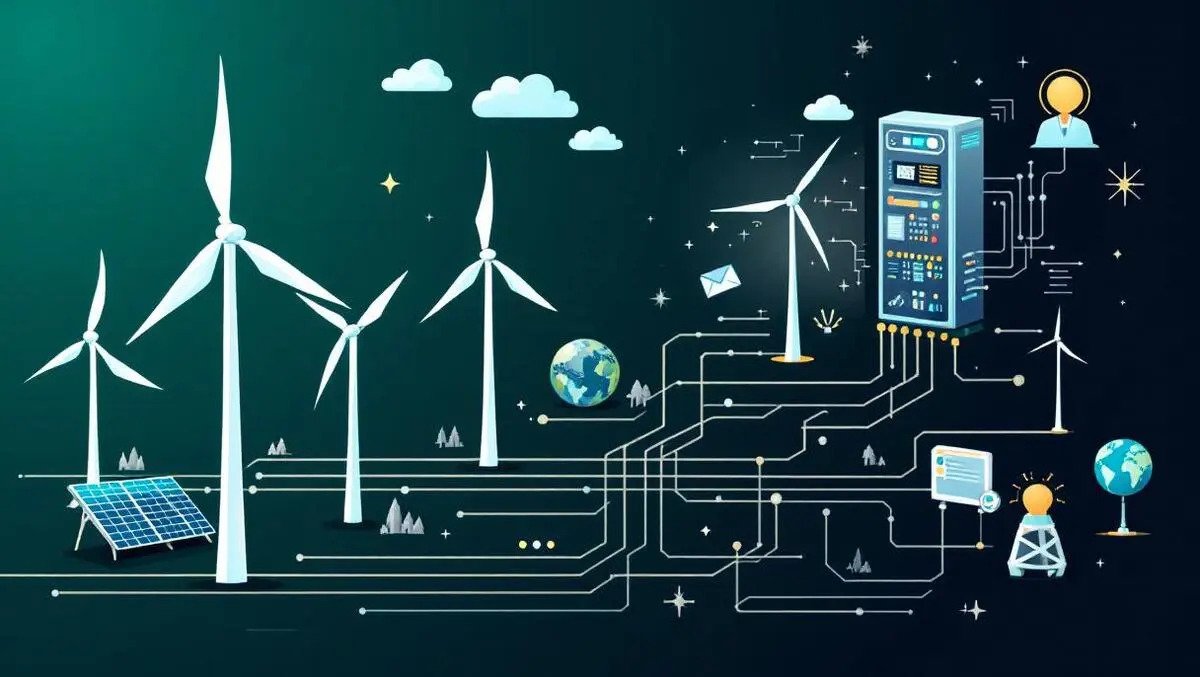
For years clean energy was a moral argument. You picked it because it was right, and you often paid extra. That’s flipped. In a lot of places, new solar and wind now cost less than new fossil plants, and price does what appeals to conscience never quite managed.
Cheap panels, cheap turbines
Solar has dropped about 90 percent in cost since roughly 2010, by most industry estimates. Factories scaled up, cells got more efficient, and installers got faster. Wind followed the same pattern with taller towers and longer blades.
No single breakthrough did this. It was a long grind of small gains until the numbers stopped needing anyone’s goodwill.
Batteries: the sunset problem
Solar was dies at dusk and wind does what it likes. Batteries soak up the surplus and give it back when everyone switches on the oven. South Australia’s Hornsdale battery, built in 2017 with Tesla, surprised many people by how quickly it stabilized the grid and how much it earned. It made the case better than any report.
Lithium-ion prices have fallen sharply over about fifteen years. Now researchers are chasing sodium-ion cells, which use common materials, and storage that lasts days instead of hours. I’d expect a mix of technologies, not one winner.
Grids need brains
The old grid moved power one way: plant to house. Now houses with rooftop panels send it back, and electric cars pile on demand at odd hours. California’s midday solar surplus is famous for it, and the shape it makes on a demand chart even has a name, the “duck curve.”
Smart meters, sensors and better forecasting help operators balance all that. Some utilities pay customers to use less during the evening peak. It isn’t glamorous. But without it, adding more solar just creates more problems.
Electric cars are batteries on wheels
An EV cuts tailpipe emissions, yes. But a parked one is also storage. Eventually millions of them might feed power back during shortages. Faster chargers and cheaper packs keep lowering the barrier.
The hard cases
Steel, cement, shipping and long-haul flights can’t just plug in. Green hydrogen, made by splitting water with clean electricity, is one bet. It’s expensive and the pipelines barely exist, but pilot projects keep multiplying. Carbon capture is being tried on what’s left over.
What’s still stuck
Grid connection queues can run for years. Seasonal storage isn’t solved. Mining for battery metals brings real environmental and political trouble. Poorer countries often pay more to borrow, even with plenty of sun. And nobody has a great answer yet for old panels and turbine blades.
Bottom line
Clean energy is accelerating because it finally pays. Cheaper generation, storage, smarter grids and electric transport reinforce each other. What’s left is mostly building things and funding them.
FAQs
Is renewable power cheaper than fossil fuels?
For new projects in many regions, yes. It varies with location and financing.
What if the wind stops?
Batteries and other storage, a wider mix of sources, flexible demand and backup plants, coordinated by grid software.